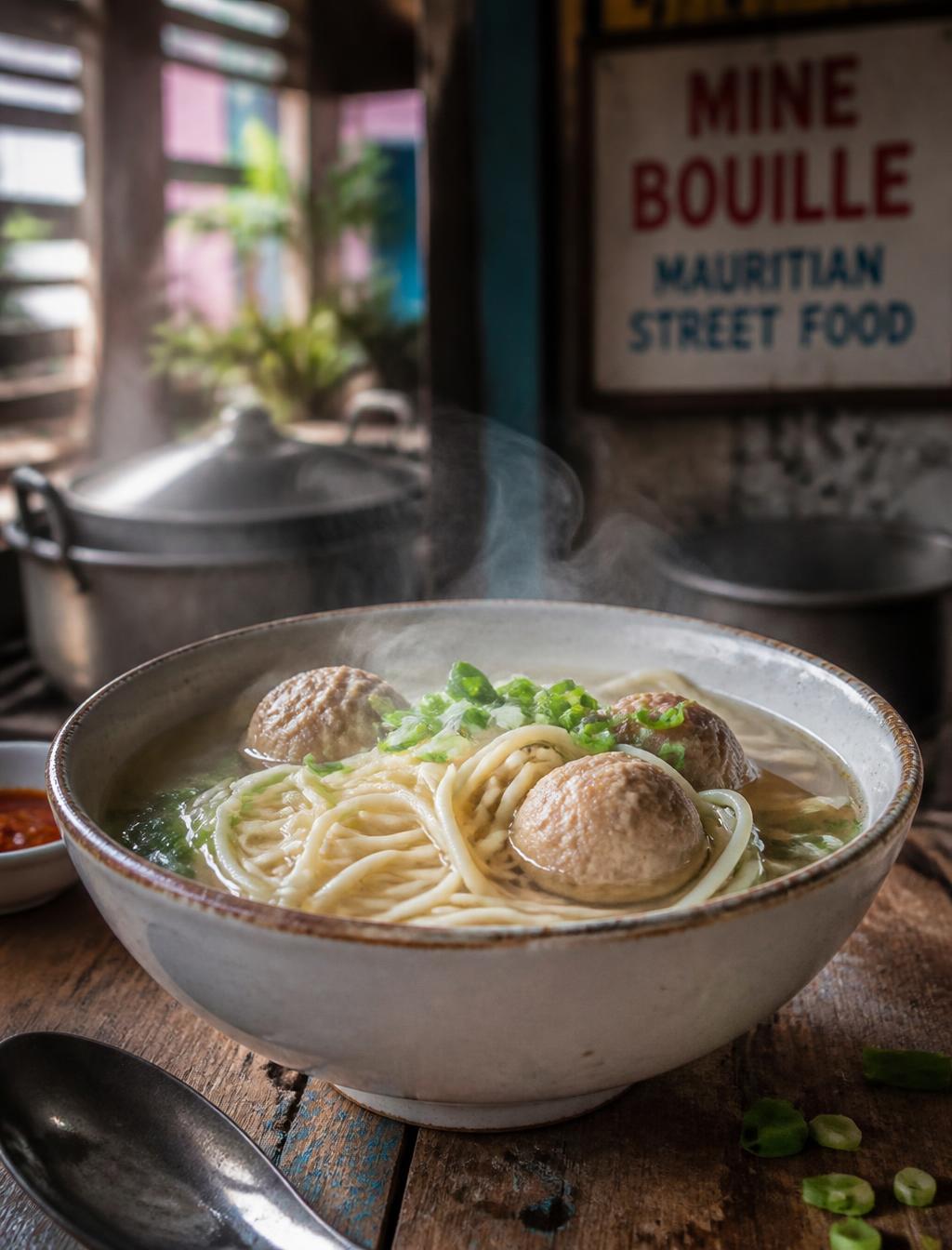
Ki Bon Baz, Mine Bouille?
Ten kitchens where the neighbourhood eats — mine bouille in a clear broth, boulettes by the basket, farata off the plate and Creole table d'hôte under a veranda.
Loading venues…
More Info
Ask any Mauritian where to eat and the answer is rarely a restaurant. It is a snack on a corner, a noodle shop that only does mine bouille, a table d'hôte that cooks whatever the market had that morning. This is the everyday island kitchen: broth with hand-rolled boulettes, mine frite in a paper cone, dholl puri folded around butter bean curry, octopus vindaye and rougaille saucisse eaten with a spoon in twenty minutes.
Every region has its own version. Port Louis and the centre keep the noodle shops and the roti counters running from late morning to the after-work rush. The north, around Triolet, Fond du Sac and Long Mountain, is boulette and mine territory. The south, from Chamarel and Souillac to Mahebourg, is table d'hôte country — a fixed menu, cooked for the number of people who booked, usually served at the family's own table.
How to eat well here: go at the busy hour, order the one thing the place is known for, and bring cash in small notes. Table d'hôte needs a call a few hours ahead, sometimes a day. Prices stay honest — Rs. 60-150 for a bowl or a plate, Rs. 600-900 a head for a full Creole table d'hôte with dessert.
How this list is built: Hand-picked by the Restaurants.mu team from noodle shops, snack counters, Creole kitchens and table d'hôte houses with a strong local following, then cross-checked against Google Places data on ratings and reviews. No chains, no hotel restaurants. Many are family-run with short hours and cash-only service, so go early and call ahead for table d'hôte.
Other Collections
Explore curated lists of top restaurants, cafes, pubs, and bars in Mauritius, based on trends
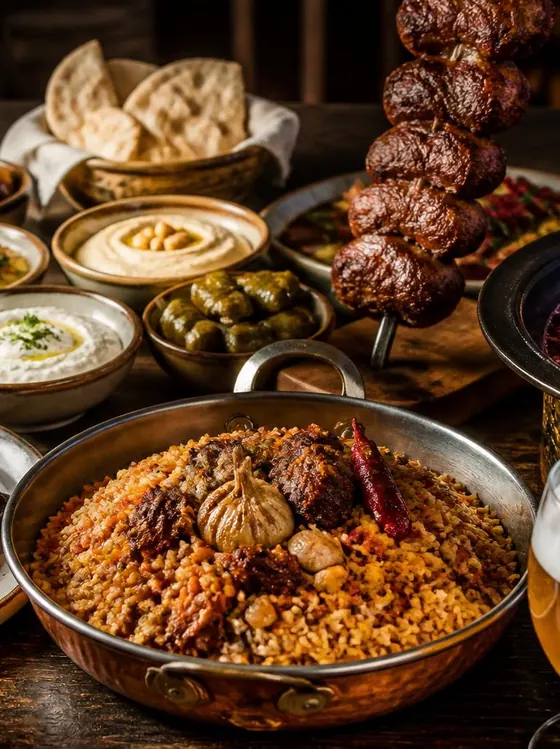
One of a Kind: Mauritius Restaurants With No Equivalent

Instagram Worthy Places
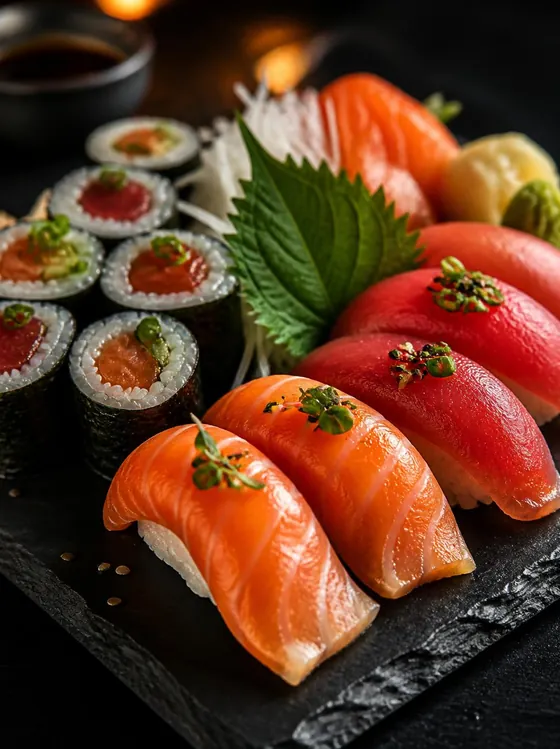
Top Sushi Bars
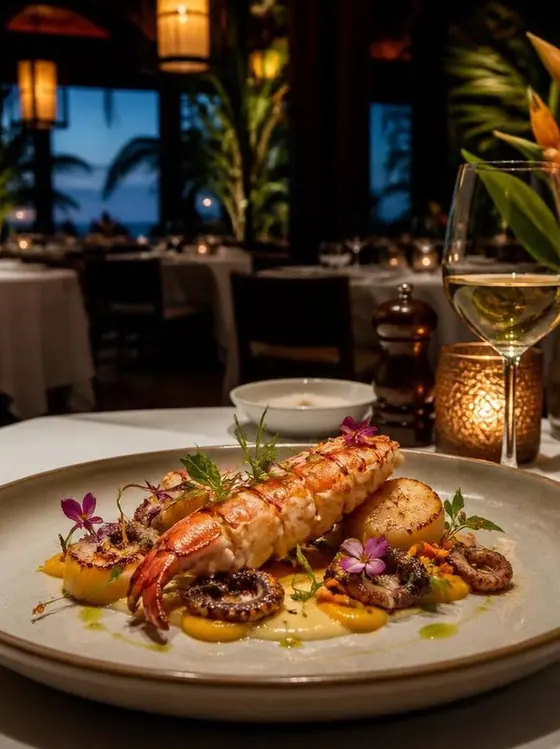
Fine Dining Restaurants
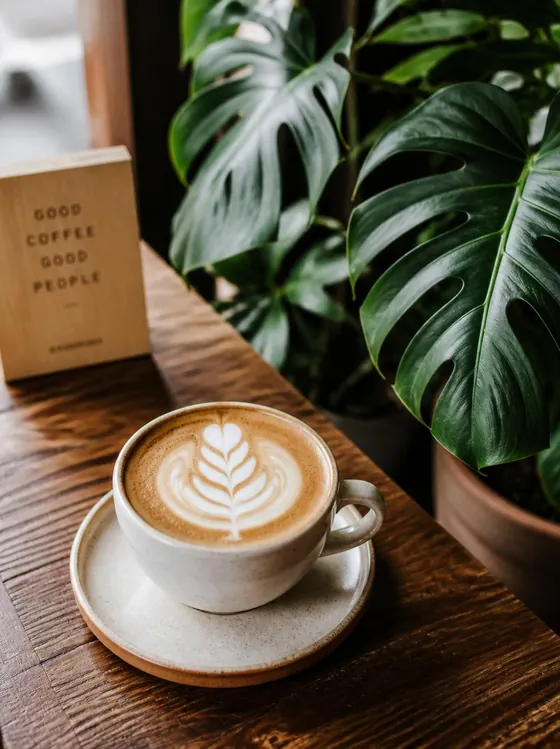
Coffee & Chill

Best Sundowner Spots
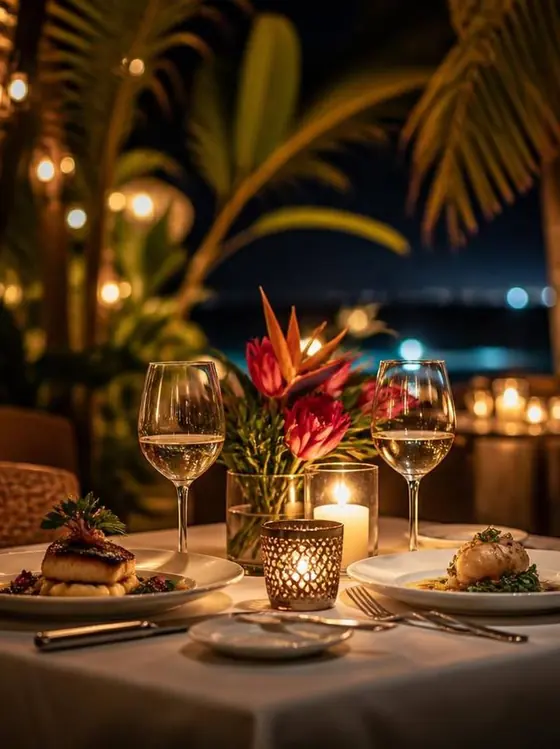
Date Night Restaurants
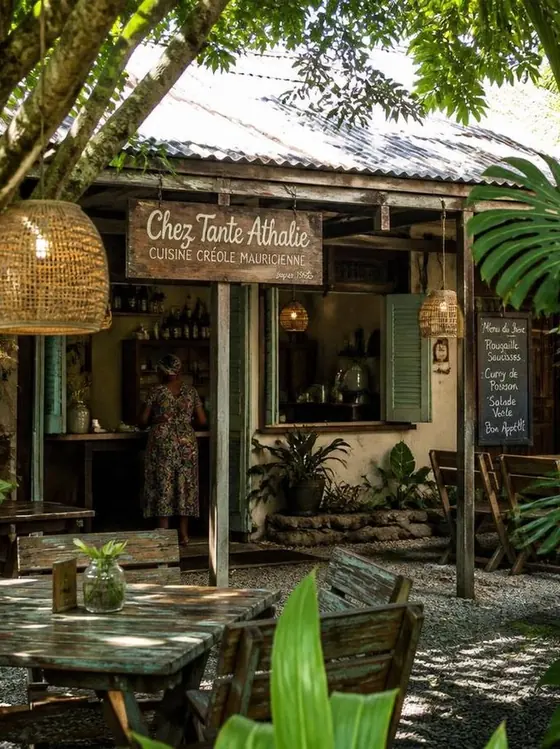
Hidden Gems of the South
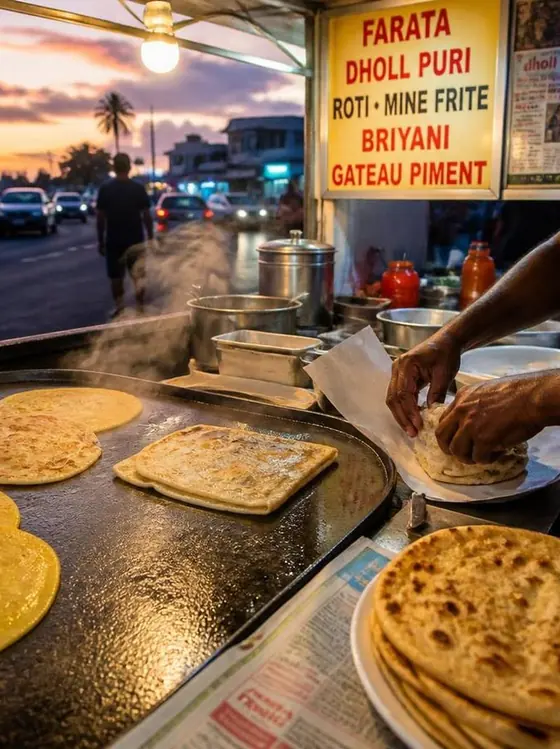
Best Street Food
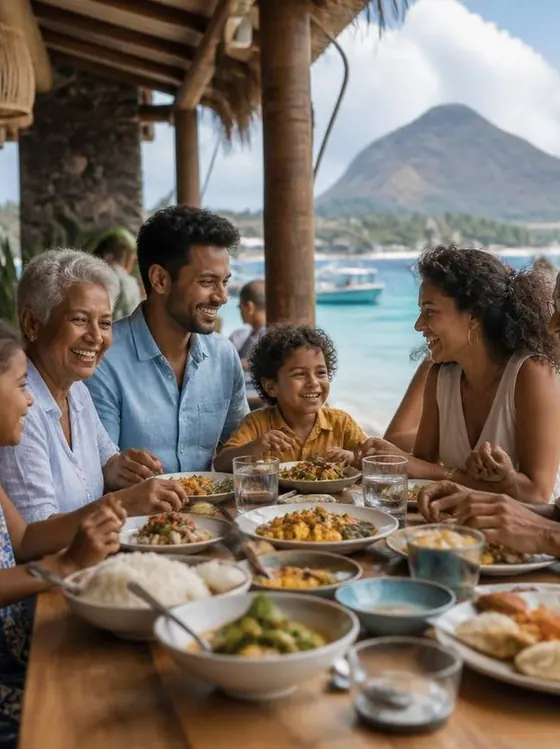
Family-Friendly Restaurants
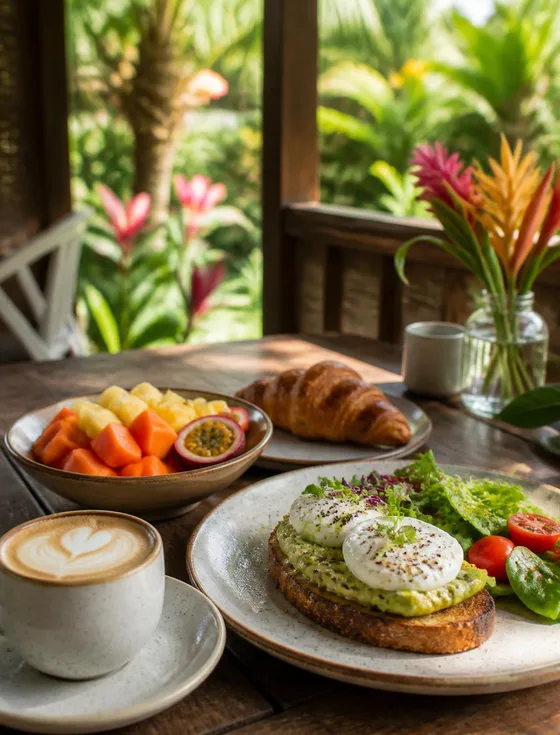
Breakfast & Brunch

Sweet Tooth: Ice Cream & Dessert
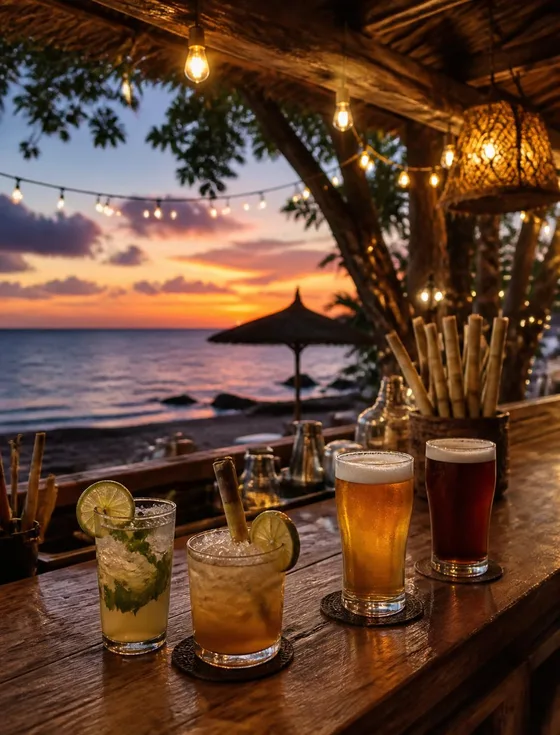
Bars & Pubs for a Night Out
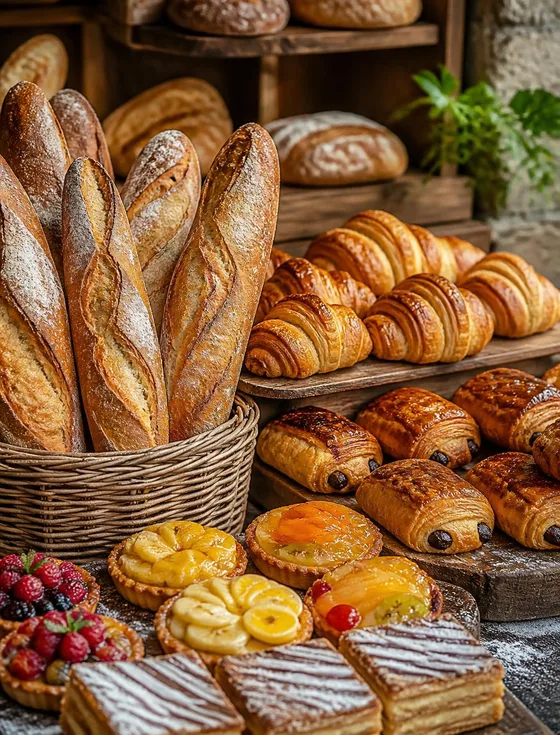
Best Bakeries for Bread & Pastries